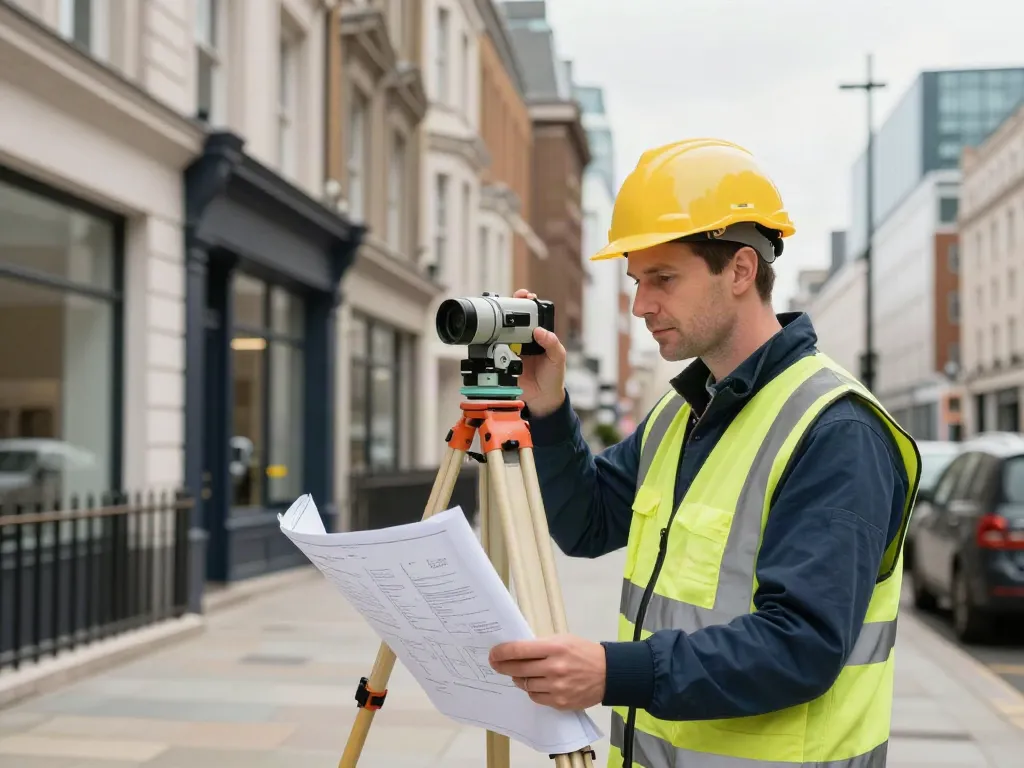
Understanding Measured Building Surveys
Measured building surveys are essential tools in the construction and property development sectors. They provide critical data that informs various project stages, ensuring that developments align with existing structures and regulatory requirements. At Measured Building Surveyors London, we pride ourselves on delivering this crucial information with precision and detail.
What is a Measured Building Survey?
A measured building survey is a detailed analysis of a building’s dimensions, shape, and structural features. This survey typically includes the creation of accurate floor plans, elevations, and sections that reflect the property’s current state. Using advanced technology, surveyors collect data to create detailed 2D and 3D representations of the structure, which can serve various purposes, from renovation projects to new construction.
Importance for Property Developers
For property developers, having a precise measured building survey is invaluable. It aids in understanding the existing conditions, allowing for informed decision-making during the design and planning phases. This is particularly crucial in urban areas like London, where space is at a premium, and regulatory compliance can be complex. By having accurate surveys, developers can minimise risks related to planning permissions and construction challenges.
Key Components of a Survey
A comprehensive measured building survey includes several key components:
- Floor Plans: Detailed layouts showcasing room dimensions, positions of doors and windows, and overall functionality.
- Elevations: Vertical representations of the building showing height, external materials, and architectural features.
- Sections: Cross-sectional views that illustrate internal structures and relationships between different building elements.
- 3D Models: Digital representations that provide an immersive understanding of the property, often used in BIM (Building Information Modelling).
The Role of Measured Building Surveyors London
Surveyors are crucial to the property development process, acting as the bridge between conceptual plans and physical reality. They bring expertise that ensures every aspect of the building is accurately represented.
Expertise in the Construction Industry
With over 30 years of experience, the team at Measured Building Surveyors London brings unparalleled expertise to every project. Their knowledge spans various sectors, including commercial, residential, and industrial, allowing them to cater to a diverse range of client needs. This wealth of experience means they can tackle complex challenges effectively, ensuring that all survey outputs are not only accurate but also tailored to the specific requirements of each project.
Choosing the Right Surveyor for Your Project
When selecting a measured building surveyor, it’s essential to consider their qualifications and experience in your specific sector. Look for surveyors with a proven track record in similar projects. In addition to technical skills, effective communication and understanding of local regulations are critical attributes that ensure smooth collaboration throughout the survey process.
Common Misconceptions About Surveyors
There are several misconceptions surrounding the role of surveyors. For instance, many believe that surveyors only provide basic measurements. However, measured building surveyors offer comprehensive analyses that include technical drawings, which are critical for any construction or renovation project. Additionally, some might assume that they only work on large developments; in reality, their services are vital for projects of all sizes.
Technology in Measured Building Surveys
The advancement of technology has revolutionised the surveying industry, allowing for greater accuracy and efficiency in the surveying process. At Measured Building Surveyors London, we harness these technologies to enhance our services.
Cutting-edge Tools and Techniques
Modern surveying techniques incorporate tools such as 3D laser scanners and drones, which significantly improve the precision of data collection. These tools can capture millions of data points in a short period, creating a detailed digital representation of the site. This not only saves time but also reduces human error, resulting in more reliable survey outcomes.
Benefits of 3D Laser Scanning
3D laser scanning technology allows for the capture of geometrically accurate data from a wide range of surfaces and structures. This technology is especially beneficial for complex buildings, where traditional measuring methods may fall short. The benefits include:
- Speed: Rapid data acquisition, significantly reducing the time needed on-site.
- Accuracy: High precision measurements that can detect even the smallest discrepancies.
- Visualisation: Creation of detailed 3D models that can be used in presentations and planning processes.
How Technology Improves Accuracy
The integration of technology into measured building surveys enhances accuracy in several ways. For instance, software algorithms can process vast amounts of data efficiently, identifying inconsistencies that may not be visible to the naked eye. This technological approach ensures that the final deliverables are as precise and actionable as possible, helping to mitigate potential issues later in the project.
Common Challenges in Measured Building Surveys
While measured building surveys are crucial, they are not without challenges. Identifying these issues upfront can help in planning effective solutions.
Identifying Typical Obstacles
Some common challenges encountered during measured building surveys include:
- Access Issues: Difficulties in accessing certain areas of the property can hinder the surveying process.
- Historical Buildings: Surveying older or listed buildings can present unique challenges due to their irregular structures and materials.
- Weather Conditions: Adverse weather can affect the accuracy of outdoor surveys, particularly in the case of aerial surveys using drones.
Best Practices for Mitigation
To effectively tackle these challenges, surveyors must employ best practices, such as:
- Pre-Survey Planning: Conduct thorough planning, including site visits, to identify potential access issues and prepare accordingly.
- Collaboration with Stakeholders: Work closely with clients and contractors to manage expectations and streamline the surveying process.
- Utilising Technology: Leverage technology to overcome physical limitations, such as using drones for hard-to-reach areas.
Case Studies of Successful Surveys
Examining case studies where measured building surveys have been successfully implemented can provide valuable insights. For example, a recent project in Westminster required detailed measurements for a heritage building. By utilising 3D scanning technology, surveyors were able to produce accurate diagrams that aided in the building’s restoration while preserving its historical integrity.
Future Trends for Measured Building Surveyors London
The landscape of measured building surveying is continuously evolving, influenced by advancements in technology and changes in regulations. Keeping abreast of these trends is vital for surveyors and clients alike.
Emerging Technologies for 2026
As we advance towards 2026, several emerging technologies are set to reshape the industry. Innovations such as augmented reality (AR) and artificial intelligence (AI) are expected to enhance the interactivity and efficiency of surveys. For instance, AR can provide virtual overlays of survey data on-site, allowing clients to visualise changes in real-time.
Changing Regulations and Standards
Regulatory frameworks governing building and construction are continuously changing. Elevated sustainability standards and safety regulations are likely to impose new requirements on surveyed data. Surveyors must adapt their methods and documentation practices to comply with these evolving standards, ensuring that all projects meet current legal and professional expectations.
The Evolution of Surveying Practices
As the industry evolves, traditional surveying practices are being supplemented with more collaborative and integrated approaches. The integration of Building Information Modelling (BIM) into measured building surveys enhances the workflow and aids in collaboration among various stakeholders, leading to more efficient project outcomes.
What is the average cost of a measured building survey in the UK?
The cost of a measured building survey can vary widely based on several factors, including the size and complexity of the building and the specific requirements of the survey. On average, clients might expect to pay between £500 and £2,500 for residential properties, while larger commercial surveys can cost significantly more.
How long does a measured survey take?
The duration of a measured building survey depends on various factors, including the site's size and the survey's complexity. Typically, smaller residential surveys can be completed within a day, while larger projects may take several days to weeks. Effective planning and the use of advanced technologies can help streamline this process.
What are the benefits of hiring experienced surveyors?
Hiring experienced surveyors can provide substantial benefits, such as:
- Expert Knowledge: Their expertise allows for more accurate and thorough surveys.
- Problem-Solving Skills: Experienced surveyors are better equipped to handle unexpected challenges.
- Regulatory Compliance: They ensure that all surveys adhere to current regulations, reducing the risk of future legal issues.
What should I look for in surveyor reviews?
When evaluating surveyor reviews, consider factors such as responsiveness, quality of work, communication skills, and how well they handled past projects. Reviews can provide insight into their reliability and professionalism, helping you make an informed decision.
How can I find the best measured building surveyors?
Finding the best measured building surveyors involves researching their qualifications, experience, and client testimonials. Networking within the construction community and seeking recommendations from trusted sources can also lead to valuable insights into the most reputable surveyors available.