
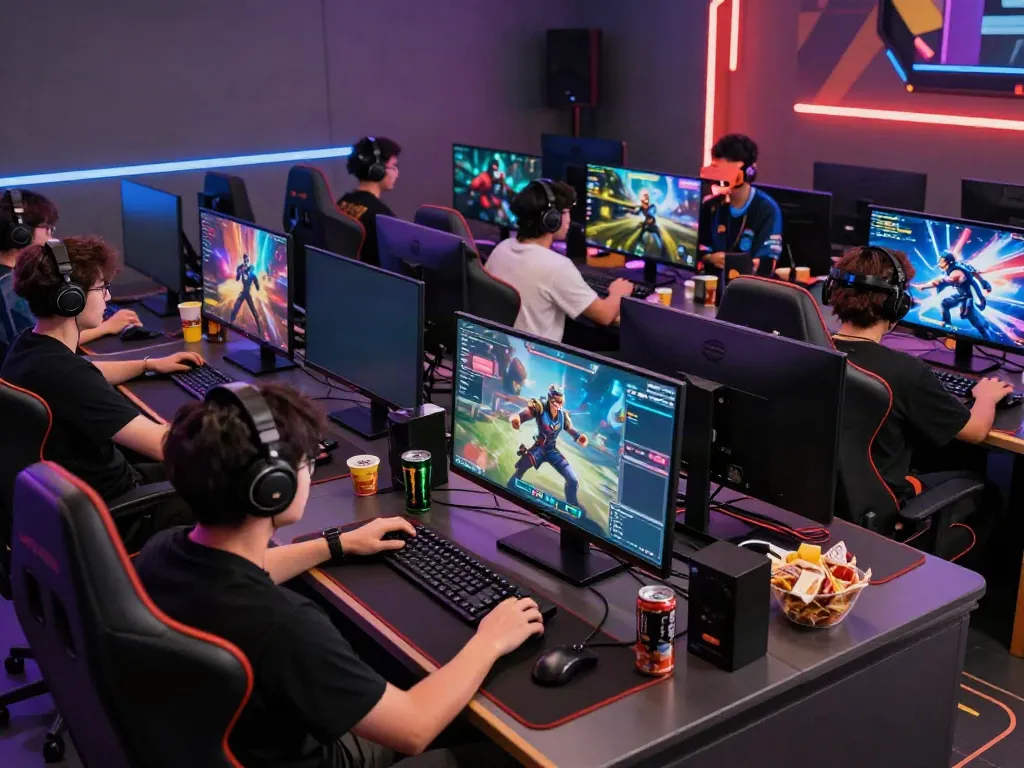
Understanding the Gaming Landscape
The gaming industry is evolving at a remarkable pace, driven by advancements in technology, changes in player expectations, and the emergence of new gaming genres. As we look at the current trends in 2026, it becomes clear that gaming is not just a form of entertainment; it has transformed into a multi-faceted platform that engages players on various levels. Whether through competitive esports, immersive single-player experiences, or community-driven online games, the landscape is rich and dynamic. When exploring options, hexbloom.net provides comprehensive insights that can enhance your understanding of the game development and player engagement strategies.
Current Trends in Online Gaming
One of the dominant trends shaping the gaming industry in 2026 is the rise of cloud gaming. As high-speed internet becomes more accessible, services like Google Stadia and NVIDIA GeForce Now allow players to stream games without the need for powerful consoles or PCs. This accessibility is removing barriers for gamers, allowing them to engage with high-quality titles across different devices.
Additionally, virtual reality (VR) and augmented reality (AR) experiences are becoming increasingly sophisticated, providing players with more immersive ways to interact with their favorite games. Titles like “Half-Life: Alyx” and “Pokémon GO” are examples of how these technologies can create engaging and interactive experiences that drive player engagement.
Mobile gaming continues to dominate the landscape, with titles like “Genshin Impact” and “Call of Duty: Mobile” leading the charge. The mobile platform allows for gameplay on the go, catering to the needs of a diverse audience and transforming local gaming into a global phenomenon.
Challenges Facing Gamers Today
Despite the advances in technology and variety of games available, gamers still face numerous challenges. Issues such as toxicity in online communities, the prevalence of microtransactions in free-to-play models, and the lack of fair representation in gaming narratives present significant barriers to enjoyment. Furthermore, the digital divide remains a critical issue, as not all players have access to the latest technology or high-speed internet, which creates disparities in gameplay experiences.
Moreover, the mental health implications of prolonged gaming sessions have come under scrutiny. Gamers are urged to find a balance that allows for enjoyment without compromising other aspects of their lives.
Future Predictions for the Gaming Industry
Looking ahead, the future of gaming appears bright with several predictions emerging. Artificial intelligence (AI) will play a pivotal role in shaping game design and player interaction, creating more personalized experiences. AI-driven NPCs (non-player characters) will evolve to respond to player actions in increasingly complex ways, enhancing immersion.
We may also see a greater focus on sustainability in game development. As awareness of climate change grows, companies are likely to adopt eco-friendly practices, from production to digital distribution. This shift will not only benefit the environment but also resonate with socially conscious players.
Finally, the integration of blockchain technology in gaming could offer new ways to monetize content, providing players with ownership of in-game assets. This model could redefine how gamers interact with and invest in their favorite titles, creating a more engaged player base.
Essential Tools and Gear for Gamers
In the ever-evolving world of gaming, having the right tools and gear can significantly enhance the gaming experience. Sophisticated gaming setups, which include high-performance hardware and peripherals, are becoming essential for serious gamers who seek a competitive edge.
Top Gaming Equipment of 2026
As of 2026, the gaming hardware market has been revolutionized with new advancements. The latest gaming consoles, such as the PlayStation 6 and Xbox Series X2, boast impressive graphics capabilities and exclusive titles, providing an experience that stands out from their predecessors. Furthermore, gaming PCs equipped with the latest GPUs, such as NVIDIA’s GeForce RTX 5000 series, allow enthusiasts to run games at stunning resolutions and frame rates.
Additionally, esports-grade peripherals, including mechanical keyboards, high-DPI mice, and immersive headsets, are now available at various price points. These tools cater to both casual and competitive gamers, ensuring that everyone can find gear suited to their needs.
Choosing the Right Setup for Your Play Style
Understanding your gaming style is crucial in assembling the right setup. For instance, first-person shooter players may prefer more sensitive mice and faster monitors to enhance their reflexes, while MOBA (Multiplayer Online Battle Arena) enthusiasts might benefit from customizable keyboards. Choosing monitor sizes and resolutions also plays a vital role in gameplay immersion; curved monitors are gaining popularity as they provide a wider field of view.
Ergonomics should not be overlooked, either. High-quality chairs that support posture can significantly enhance long gaming sessions, preventing fatigue and discomfort.
How Accessories Enhance Gameplay Experience
Accessories such as gaming headsets, mousepads, and customizable controllers provide more than aesthetic appeal; they enhance the overall gameplay experience. Good headsets with surround sound capabilities immerse players in the game world, allowing them to hear subtle audio cues that can influence strategic decisions.
Moreover, customized controllers with programmable buttons can give players a competitive advantage, enabling them to execute complex maneuvers with ease. Investing in high-quality accessories can elevate not just performance, but overall enjoyment.
Strategies for Competitive Gaming
For gamers who aspire to compete at higher levels, developing effective strategies is essential. This involves understanding both game mechanics and interpersonal dynamics within team play, ensuring that players work collaboratively towards victory.
Building Effective Strategies for Team Play
Team play requires clear communication and coordination among players. Strategies often depend on understanding each player’s strengths and weaknesses, which can be maximized for a particular game mode or objective. Regular practice sessions that focus on strategy formulation can help teams solidify their approach and improve their synergy.
Additionally, analyzing past gameplay, particularly in competitive settings, can reveal areas for improvement. Many successful teams utilize tools such as video replays to assess performance and adjust strategies accordingly.
Psychological Tactics to Outplay Opponents
Psychological factors play a significant role in competitive gaming. Techniques such as feigning weakness or employing mind games can give players an edge. Understanding basics like bluffing and baiting, alongside maintaining a calm composure under pressure, are essential skills that elevate a player’s performance in high-stakes situations.
Furthermore, fostering a positive mindset can help players overcome the inevitable challenges of competition. Mindfulness and mental preparation are increasingly recognized as vital components of athletic and esports success.
Real-World Case Studies of Successful Players
Examining the paths of successful gamers offers invaluable insights into effective strategies. Players like “Faker” from League of Legends and “Ninja” from Fortnite have showcased how dedication, practice, and innovative thinking can propel one to the top of the competitive scene.
Faker’s adaptability and deep knowledge of game mechanics exemplify how honing one's skills can lead to repeated success. Similarly, Ninja’s branding and charisma highlight the significance of personal branding in the gaming industry.
Improving Skills and Techniques
Improving gaming skills is a continuous journey that demands dedication and the right approach. Combining traditional practice techniques with modern technology can foster significant growth in a player’s abilities.
Best Practices for Training and Improvement
Establishing a structured training regimen is fundamental for skill development. This can include warm-ups, drills focused on specific mechanics, and regular matches to apply new knowledge. Setting clear, achievable goals can help track progress and maintain motivation throughout the training process.
Moreover, participating in online tournaments or local meets can provide new challenges that sharpen skills and offer exposure to diverse play styles.
Utilizing Technology for Skill Growth
Leveraging technology can supplement traditional training methods. Many players use software that analyzes in-game performance, providing insights into areas needing improvement. Streaming platforms also offer an opportunity to receive feedback from peers and communities, facilitating growth through constructive criticism.
Measuring Performance and Progress
Consistently measuring performance is crucial in understanding growth and areas for improvement. Tools such as stat trackers can help players gauge their effectiveness, providing metrics on both individual and team performance. Regularly reviewing these statistics can inform future training sessions and strategy adjustments.
Staying Informed and Engaged
Finally, staying engaged with the gaming community and industry news is paramount for any serious gamer. Understanding ongoing trends, participating in communities, and contributing to discussions can inspire fresh ideas and motivate players to reach new heights.
Joining Communities and Forums
Active participation in gaming communities and forums, such as Reddit and Discord, provides a platform to share experiences, ask for advice, and connect with fellow enthusiasts. These platforms often highlight emerging trends, game developments, and competitive events, fostering an environment of collective growth.
Following Industry News and Updates
Keeping an eye on industry news provides insights into upcoming titles and technological advancements, influencing gaming choices and strategies. Websites, podcasts, and YouTube channels dedicated to gaming updates can be invaluable resources.
Contributing to Open-Source Gaming Projects
Contributing to open-source projects or fan-made mods can enhance a player’s understanding of game design and development. This involvement not only enriches the gaming ecosystem but also provides practical experience that can be beneficial for aspiring developers.
What is Hexbloom.net?
Hexbloom.net serves as a valuable resource for both players and developers, providing insights into the latest gaming trends, strategies, and tools. By fostering a collaborative community, it encourages gamers to share their knowledge and experiences.
How can I improve my gaming skills?
Improving gaming skills can be achieved through structured practice, seeking feedback from experienced players, and utilizing technology to analyze performance. The key is to maintain a consistent training schedule while remaining open to learning from both victories and defeats.
What equipment do I need for competitive gaming?
The essential equipment for competitive gaming includes a high-quality gaming PC or console, a responsive monitor with a high refresh rate, a comfortable chair, and peripherals such as a mechanical keyboard and gaming mouse. Tailoring your setup to your gaming style can make a significant difference in performance.
What are the benefits of joining gaming communities?
Joining gaming communities offers a wealth of benefits, including access to a support network, opportunities to share experiences, and exposure to diverse play styles. Engaging with like-minded individuals can foster personal growth and enhance the overall gaming experience.
What future trends can we expect in gaming?
Future trends in gaming are likely to include advancements in AI, cloud gaming, and VR/AR technologies. Additionally, as the industry evolves, we may see more sustainable practices in game development and new monetization models that empower players.