The Importance of Coloring for Children’s Development
Coloring is not merely a fun pastime for children; it plays a significant role in their overall development. Engaging in coloring activities supports cognitive growth, enhances fine motor skills, and provides a vital outlet for emotional expression and creativity. In 2026, as we witness changes in educational methodologies, the emphasis on activities like coloring has never been more crucial. With digital resources available, sites like freecoloringsheets.net offer a plethora of printable resources that can aid parents and educators in this developmental journey.
Understanding the Cognitive Benefits
Research consistently shows that engaging in art activities can boost cognitive development in children. When children color, they are not just filling in shapes; they are learning to perceive color relationships, understand shapes and spatial awareness, and improve their concentration. These skills are foundational for more complex concepts in mathematics and science later in their academic careers.
Enhancing Fine Motor Skills Through Art
Fine motor skills are essential for many daily tasks, from writing to self-care activities like buttoning a shirt. Coloring requires the use of small muscles in the hands and fingers, which helps strengthen dexterity. As children grasp crayons or coloring pencils, they improve their hand-eye coordination, critical for tasks requiring precision.
Expressing Emotions and Creativity
Coloring also serves as a wonderful medium for children to express their emotions. The choice of colors and the development of their artistic techniques can reflect their inner feelings and thoughts. Providing children with the freedom to create can foster self-esteem and encourage them to explore their artistic abilities without the fear of judgment.
Current Trends in Coloring Sheets for 2026
The landscape of coloring has evolved significantly in recent years, reflecting shifts in technology and preferences among children and parents alike. In 2026, we see a blend of traditional and digital coloring experiences that cater to diverse audiences. This composite approach enables children to use coloring as a form of relaxation and a creative outlet.
Digital vs. Traditional Coloring: Which is Better?
The debate between digital and traditional coloring methods is ongoing. Digital platforms provide interactive features that can make coloring more engaging for tech-savvy kids, while traditional coloring fosters tactile experiences that many argue are irreplaceable. For parents and educators, the decision often comes down to the individual child's preferences and developmental needs.
Popular Themes and Designs This Year
Coloring sheets in 2026 are seeing diverse themes that cater to children’s interests and current trends. Popular designs include animals, mythology, fantasy worlds, and pop culture icons. These vibrant and thematic options keep children engaged while introducing them to a variety of cultural and artistic concepts.
How to Incorporate Seasonal Themes into Art Activities
Engaging children with seasonal themes can enhance their learning experience through a contextual approach. For instance, during Halloween, spooky-themed coloring sheets can be fun while also educating them about different cultural holidays. Similarly, winter holidays can inspire a range of creative activities; parents can encourage kids to create their own seasonal greeting cards using coloring techniques.
Tips for Choosing the Best Coloring Supplies
Selecting the appropriate coloring supplies is crucial to enhancing the coloring experience. Choosing quality tools not only allows for better artistic expression but also ensures that the materials are safe for children. In 2026, eco-friendly options are gaining prominence, aligning with a growing awareness of environmental responsibility.
Essential Tools for Young Artists
Investing in good quality coloring tools can make a significant difference. Basic supplies include crayons, colored pencils, and markers in a variety of colors. It's also beneficial to choose tools that are ergonomically designed for small hands, ensuring comfort during extended use.
Eco-Friendly Options for Sustainable Coloring
With increasing awareness about sustainability, eco-friendly coloring supplies have become more accessible. Parents can choose products made from recycled materials, or those free from harmful chemicals. Companies are now producing natural pigments and sustainable paper options that can educate children about environmental stewardship while they create.
Creating a Creative Space at Home
A well-organized creative space can inspire children to engage more in coloring activities. Dedicating a small area with their supplies, comfortable seating, and natural light can create an inviting atmosphere. Displaying their artwork can also foster pride in their creations and encourage further artistic exploration.
Organizing Engaging Community Coloring Events
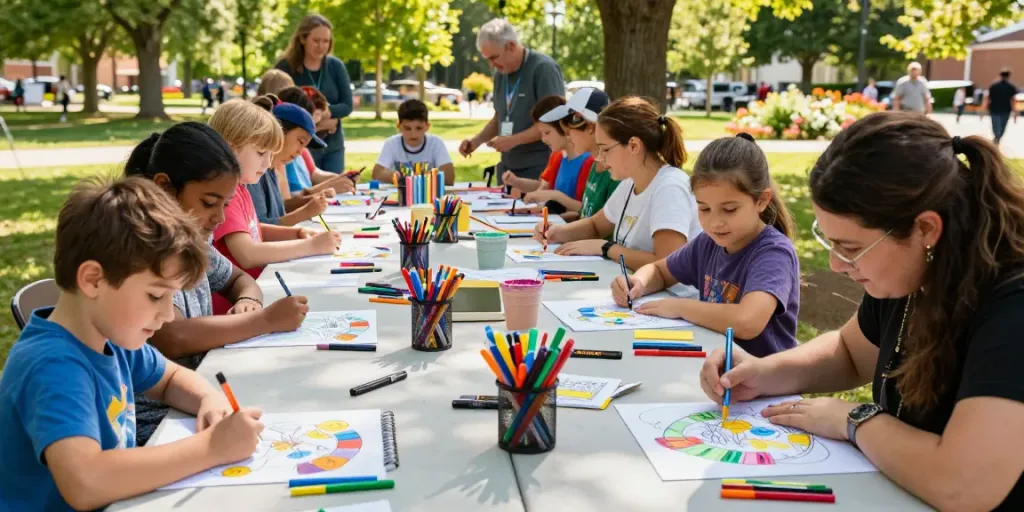
Community coloring events can serve as an excellent way to foster creativity and collaboration among children. These gatherings not only amplify the social aspects of coloring but also help build community ties and promote art appreciation.
Planning and Resources for Local Events
When organizing a coloring event, consider the location, theme, and availability of resources. Local libraries, parks, or community centers can serve as venues. Providing a variety of coloring sheets and materials ensures that every child can find something they enjoy.
Collaborating with Local Artists and Schools
Partnering with local artists or art schools can enrich the coloring experience. Artists can lead workshops, offering tips and insights into different artistic techniques, which can make the event more educational and engaging.
Promoting Your Event Effectively
Effective promotion of the event is key to ensuring participation. Utilizing social media, local bulletin boards, and community newsletters can help spread the word. Creating eye-catching flyers with clear information about the event can also attract attention.
Frequently Asked Questions About Coloring
What Age is Ideal for Starting Coloring?
Children can begin coloring as young as two years old. At this age, simple coloring activities help them grasp the concept of coloring within lines and choosing colors. As they grow, the complexity of the coloring materials can be increased.
Are Coloring Activities Effective for Learning?
Yes, coloring activities are highly effective for learning. They enhance focus, improve hand-eye coordination, and even help in developing language skills as children describe their creations. Moreover, engaging with color can improve mood and reduce anxiety.
How Can Parents Encourage Their Children’s Creativity?
Parents can support their children's creativity by providing a variety of materials, allowing free expression, and participating alongside them in coloring activities. Encouraging them to tell stories about their artwork can further enhance their creative thinking.
Where Can I Find Great Coloring Resources?
Numerous websites and local resources offer a range of coloring sheets and activities. Online platforms such as freecoloringsheets.net provide countless options for parents and educators to explore, allowing for easy access to diverse and engaging coloring materials.
Can Coloring Be a Group Activity?
Absolutely! Coloring is a wonderful group activity that encourages social interaction and teamwork. Group coloring can take place in classrooms, community centers, or even at home gatherings, making it an enjoyable experience for everyone involved.