
 By admin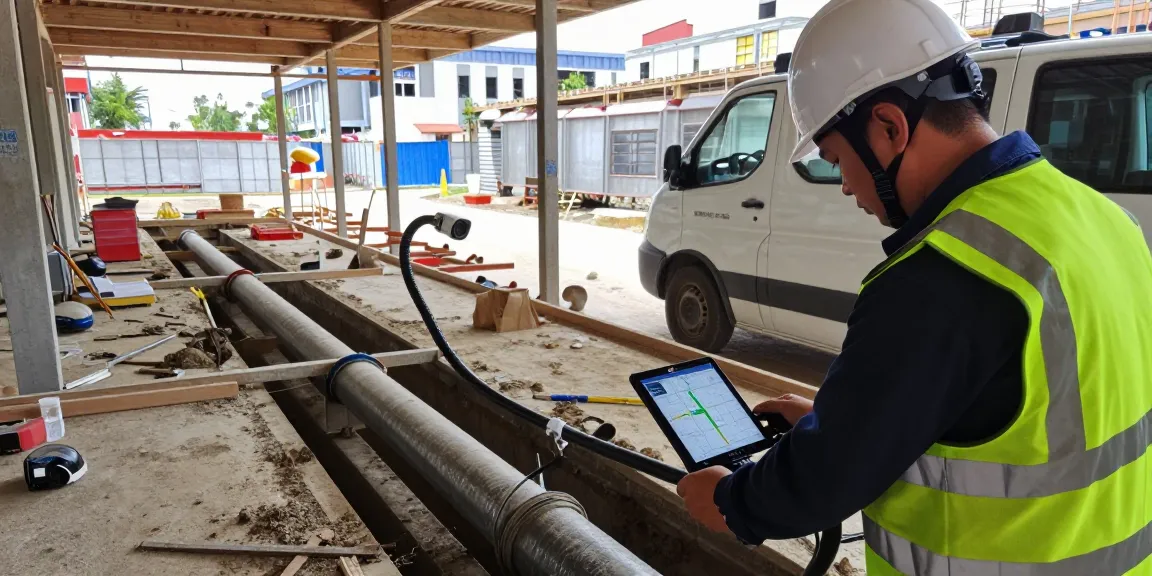
Understanding CCTV Drainage Surveys in London and Surrey
CCTV drainage surveys are an essential part of infrastructure maintenance for property owners across London and Surrey. By utilising advanced technology, these surveys provide detailed insights into the condition of drainage systems. They play a crucial role in identifying issues such as blockages, deteriorating pipes, and leaks that can lead to significant property damage if left unaddressed. When exploring options, CCTV Drainage Surveys london Surrey offer comprehensive insights into the state of your drainage system, ensuring informed decision-making for maintenance or upgrades.
What Are CCTV Drainage Surveys?
CCTV drainage surveys involve inserting a camera into a drainage system to provide a visual inspection of its internal condition. This method allows surveyors to identify structural defects, blockages, or any other physical anomalies within the pipes. The cameras used are typically high-resolution, capable of capturing clear images and are accompanied by lighting systems to illuminate the pipes effectively. The data collected can be recorded and analysed to produce reports detailing the survey findings, which are invaluable for property owners and construction projects alike.
Importance of CCTV Drainage Surveys for Property Owners
Regular CCTV drainage surveys are vital for property owners to maintain the integrity of their drainage systems. These surveys help in early detection of potential problems, which in turn can prevent costly repairs and extensive damage. Furthermore, they are often necessary for compliance with local regulations, particularly for new builds and renovation projects where drainage assessments are required. Identifying issues such as root intrusion, fractures in the pipe structure, or accumulated waste can save time and resources in the long run.
Key Equipment Used in Drainage Surveys
The success of a CCTV drainage survey largely hinges on the quality of the equipment used. Key tools include:
- CCTV Cameras: High-definition cameras designed to navigate through pipes and capture detailed video footage.
- Software: Analytical tools that help interpret the data collected and generate comprehensive reports.
- Sonar Equipment: Used for locating underground features and assessing the depth of drainage systems.
- Push Rods: Flexible rods that house the cameras and allow surveyors to navigate around bends in pipes.
Benefits of CCTV Drainage Surveys
Identifying Underground Issues with Precision
CCTV drainage surveys provide unparalleled precision in identifying underground issues. They eliminate the guesswork often associated with traditional drainage inspection methods. Specific problems such as cracks, misalignments, and blockages can be pinpointed accurately, ensuring that targeted maintenance or repairs can be conducted efficiently.
Cost-Effectiveness of Preventative Maintenance
By catching potential issues early through regular CCTV surveys, property owners can avoid costly emergency repairs and extensive structural damage. This proactive approach promotes the longevity of the drainage system, resulting in reduced overall costs in the long run.
Improving Compliance with Local Regulations
As building regulations become increasingly stringent, the importance of adhering to local guidelines cannot be overstated. CCTV drainage surveys facilitate compliance by providing the necessary documentation required for inspections and future developments. Proper surveys often become part of a project’s legal documentation, ensuring that the drainage systems are up to code.
How CCTV Drainage Surveys are Conducted
Step-by-Step Process of Conducting a Survey
Conducting a CCTV drainage survey involves several crucial steps:
- Preparation: Assessing the site and determining the best access points for the survey.
- Cleaning: Cleaning the drainage system if necessary to ensure clear visuals during the survey.
- Survey Execution: Inserting the camera into the drainage system and capturing video footage as the camera travels through the pipes.
- Data Analysis: Reviewing the footage to identify any issues and compiling a report based on the findings.
- Recommendations: Providing recommendations for repairs or maintenance based on the survey results.
Technology Utilised in Modern Drainage Surveys
Modern CCTV drainage surveys utilise cutting-edge technology that enhances the accuracy and efficiency of inspections:
- High-Definition Cameras: Providing superior image quality for easy identification of issues.
- GPS Tracking: To document the exact locations of problems within the drainage system.
- Remote Control Features: Allowing surveyors to navigate the pipe systems without physical obstructions.
Common Challenges and Solutions in CCTV Surveys
Despite the advantages, CCTV drainage surveys do present challenges, including:
- Access Issues: Some drains may be difficult to access due to location or structural constraints, but using flexible push rods can help.
- Debris Obstruction: Heavy debris can obstruct views; using high-pressure water jets prior to the survey can mitigate this issue.
- Technical Limitations: Certain drainage types may limit camera mobility, necessitating the use of specialised equipment.
Case Studies of Successful CCTV Drainage Surveys
Residential Case Study: Issues and Resolutions
A recent residential survey in Surrey revealed significant tree root intrusion causing blockages. By using CCTV technology, surveyors were able to pinpoint the location of the intrusion and advise the homeowner on the necessary removal and rehabilitation steps without disrupting the entire property.
Commercial Case Study: Long-Term Benefits Realised
In a commercial setting, a large retail store in London faced recurrent drainage issues that affected sales. A comprehensive CCTV drainage survey identified multiple weak points in the drainage system. By addressing these issues promptly, the store has seen improved efficiency and reduced maintenance costs over the last three years.
Infrastructure Case Study: Enhancing Public Health Standards
For a municipal project in Surrey, CCTV drainage surveys were crucial in identifying problems within the main sewer lines. The information provided allowed local authorities to undertake necessary repairs, significantly improving public health standards and reducing the risk of overflow during heavy rainfall.
Future Trends in CCTV Drainage Surveys for 2026
Emerging Technologies Revolutionising Drainage Assessment
The field of drainage surveying is evolving rapidly with advancements in technology. The integration of artificial intelligence (AI) is set to enhance data analysis, allowing for predictive maintenance based on historical data. Drones are also being explored for surveying hard-to-reach areas, providing a safer and more efficient alternative.
Regulatory Changes Impacting Survey Practices
As environmental concerns continue to grow, regulations surrounding drainage systems are becoming more stringent. It is critical for survey practices to evolve in response to these changes, ensuring compliance and sustainability. Regular training and updating of survey methodologies will be necessary for professionals in the field.
Predictions for the Future of Drainage Solutions
Looking ahead, the future of drainage solutions will be marked by greater emphasis on sustainability and smart technology. Systems that not only ensure proper drainage but also contribute to environmental conservation will be in demand. Effective utilisation of data from CCTV surveys will play a pivotal role in designing these innovative systems.
What are the advantages of CCTV Drainage Surveys?
CCTV drainage surveys offer advantages such as early detection of issues, minimising damage prevention, compliance with regulations, comprehensive reporting, and cost-effective solutions for property maintenance.
How often should I conduct CCTV Drainage Surveys?
The frequency of CCTV drainage surveys depends on several factors, including the age of the drainage system, local environmental conditions, and any previous issues. Generally, it is advisable to conduct a survey every one to three years.
Are CCTV Drainage Surveys necessary for new constructions?
CCTV drainage surveys are often required for new constructions to ensure that the drainage systems are installed correctly and comply with local regulations. They provide assurance that the systems will function properly throughout their lifespan.
What types of issues can CCTV Drainage Surveys identify?
CCTV drainage surveys can identify a range of issues, including blockages, leaks, structural defects, corrosion, and root intrusion, enabling prompt and effective maintenance.
How do I choose the right company for CCTV Drainage Surveys?
When selecting a company for CCTV drainage surveys, consider factors such as accreditation, experience, technology used, and client reviews to ensure you are working with a reputable and capable service provider.
